
OEM & ODM
Your label on the box. Our tooling behind it.
We build for importers, distributors and pest-control brands: own moulds, own electronics assembly, CE documentation and export packing from one site in Dongguan.
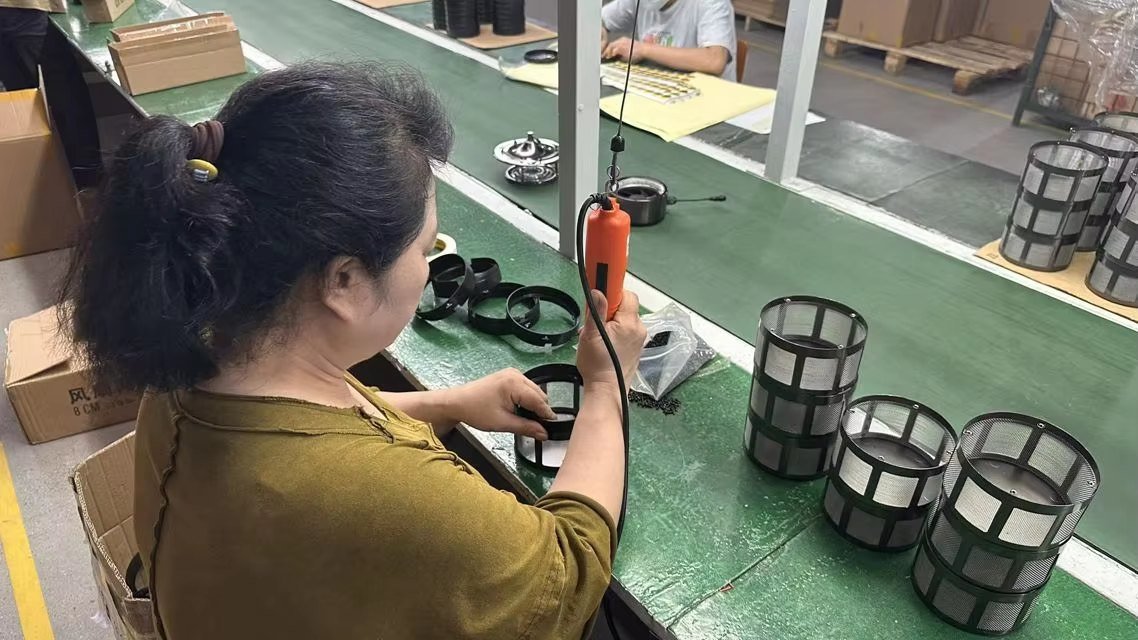
Process
Six steps from brief to container
A private-label project moves fastest when the target market is decided first. Everything after that is engineering and paperwork.
01
Brief
Species, site, volume, voltage, target price and market. A photo of the space is worth three paragraphs.
02
Design for manufacturing
We answer with the housing, the catch method and a costed bill of materials.
03
Prototype
Printed or machined samples, then tooling. Electronics are prototyped on the same bench as production.
04
Pilot run
A short batch to prove assembly, packaging and test procedure before volume.
05
Mass production
Moulding, assembly, electrical inspection and packing against the approved sample.
06
Documents & shipment
CE file, test reports, carton marks and export packing for sea or air.
Capability
What stays in-house
Keeping the four hard parts under one roof is what keeps a private-label project on schedule.
Tooling and moulds
Mould shop for housings, trays, brackets and lamp ends. Geometry changes are a drawing edit, not a new supplier.
Electronics
Ballasts, drivers, timers, solar charge circuits and high-voltage grids — assembled and soak-tested on site.
Metal and finishing
Stamping, welding, powder coating and stainless work for the outdoor range.
Packing and compliance
Retail cartons, manuals, barcodes, CE documentation and market-specific labels.
Configuration
What can change per order
These are the variables we quote most often. Anything outside the list is a conversation, not a refusal.
| Item | Standard | Options |
|---|---|---|
| Housing colour | Brand green, black, grey | Any RAL on volume orders; soft-touch or matt texture |
| Lamp | UV-A 365 nm | Alternative wavelengths on request |
| Voltage | 220–240 V / 50–60 Hz | 110–120 V, 12 V DC, 6 V solar |
| Plug | EU | UK, US, AU, CN, or no plug for hard-wiring |
| Carton | Plain export carton | Retail carton, mailer, display-ready, buyer artwork |
| Manual | English | Any language set supplied by the buyer |
Quality
The boring part that decides your reviews
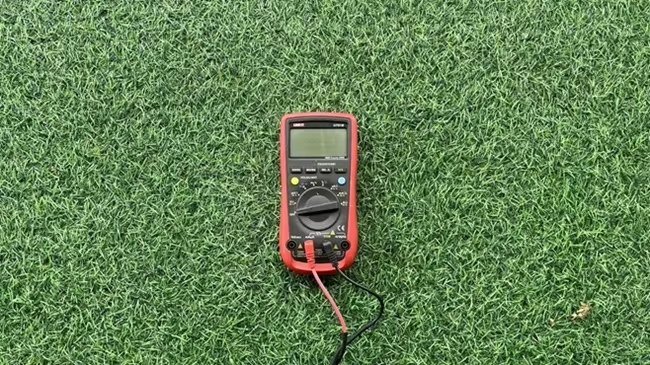
A trap that arrives with a cracked tray or a dead ballast costs more than the unit. Incoming parts, in-process checks and a powered inspection before packing are the three places we spend time.
Test reports and the approved golden sample travel with the shipment, so a claim can be settled with evidence rather than email.
- Incoming inspection on lamps, ballasts and solar panels
- Powered inspection of every unit before packing
- Carton drop and transport packing checked per order
- Golden sample retained for each private-label run
OEM questions, answered plainly
How fast is a sample?
A stock model ships from current production. A new tooling project waits for the mould, which is quoted with the project so you see the date before you commit.
Do you work with small brands?
Yes. First orders can start at trial quantities; the exact minimum depends on the model and how far the configuration moves from standard.
Who owns the tooling?
Tooling paid for by the buyer belongs to the buyer. We keep it in production and maintain it for the life of the project.
Send the brief. We will send the plan.
A drawing, a competitor link or a tender document is enough to start. You will get a feasibility answer, a costed prototype step and a delivery window.