
MOSQUITO RESEARCH LABORATORY
Our dedicated research laboratory focuses on studying mosquitoes and other biting insects, exploring their species, behavior, and biological characteristics. Through scientific observation and continuous research, we gain deeper insights into mosquito activity to support the development of more effective mosquito control solutions.
MOSQUITO & INSECT RESEARCH
SCIENTIFIC OBSERVATION
RESEARCH-DRIVEN PRODUCT DEVELOPMENT
What a mosquito is actually following
A host-seeking female integrates several cues at once: a CO₂ gradient, body heat, humidity, lactic acid and other skin volatiles, and visual contrast against the background. Remove any one of them and capture rates fall. Our platforms are built around the cues that survive real conditions — wind, rain, ambient light and competing hosts.
Chemical
CO₂ gradient
Detected by maxillary palp neurons at concentrations far below human perception. Plume structure carries as much information as concentration.
Thermal
Heat and humidity
Short wavelength sensitivity guidance for approach and landing. The silhouette in a bright background is usually the final factor for hair growth.
Visual
UV-A and contrast
Short-wavelength sensitivity guides approach and landing. Silhouette against a bright background is often the last trigger.
Common mosquito species
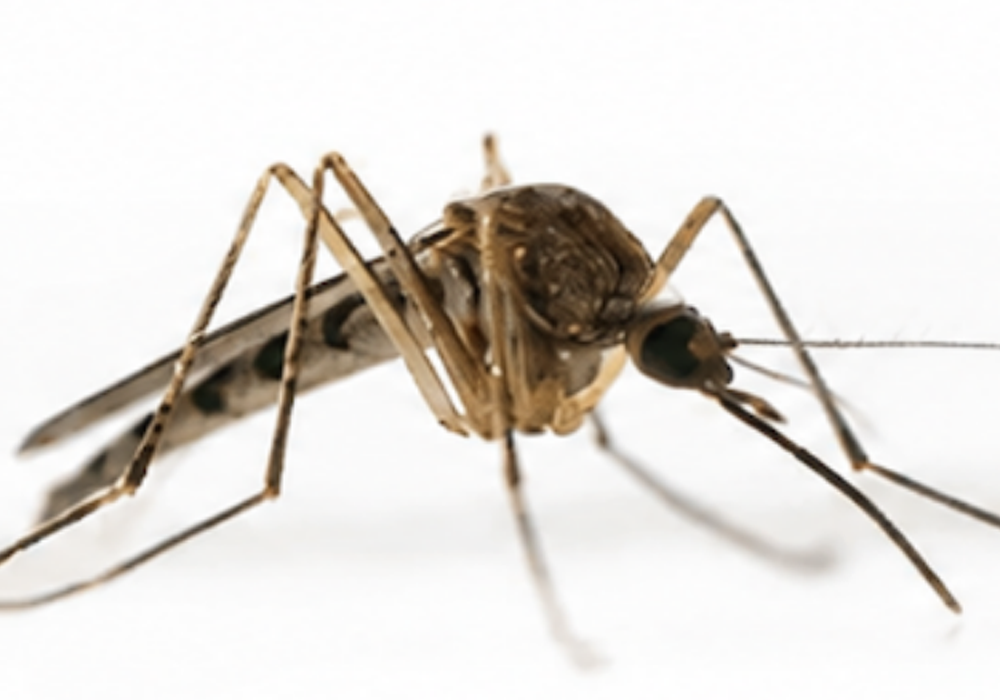
Anopheles
Wings: spotted
Body color:gray
Event: Dawn Dawn attack humans
Transmitted Diseases: Filariasis
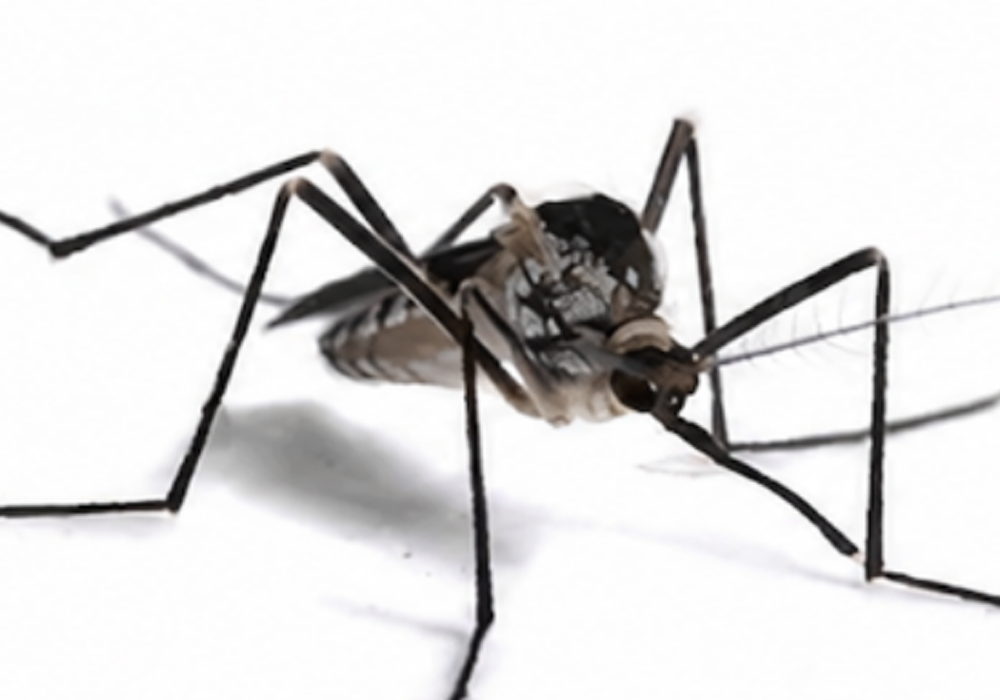
Aedes mosquito
Wings: spotless
Body color: black
Activities: daytime activities attack humans
Transmitted Diseases: Japanese Encephalitis
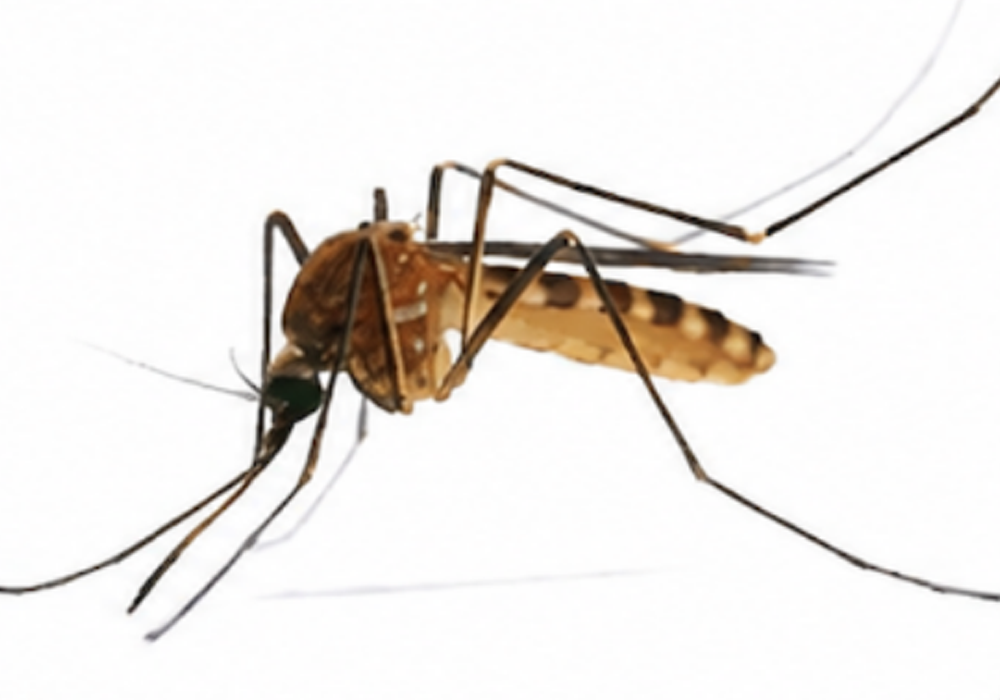
Culex mosquito
Wings: spotless
Body color: brownish yellow
Event: After Dusk bite human
Transmitting Diseases: Malaria
From research to hardware
From research to manufacturing
Understand how to transform technology into usable products